

Breadcrumbs navigation
Working with Korea to Find New Solutions for the Safe Disposal of Radioactive Waste
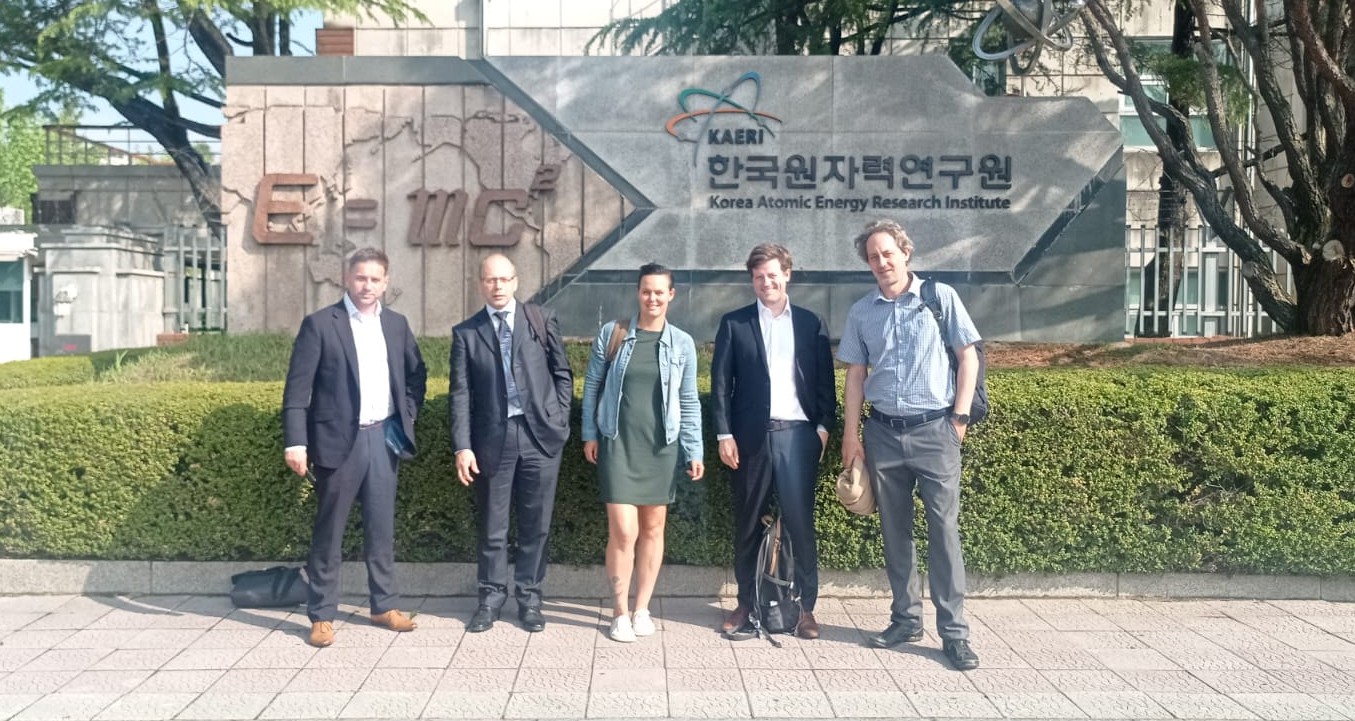
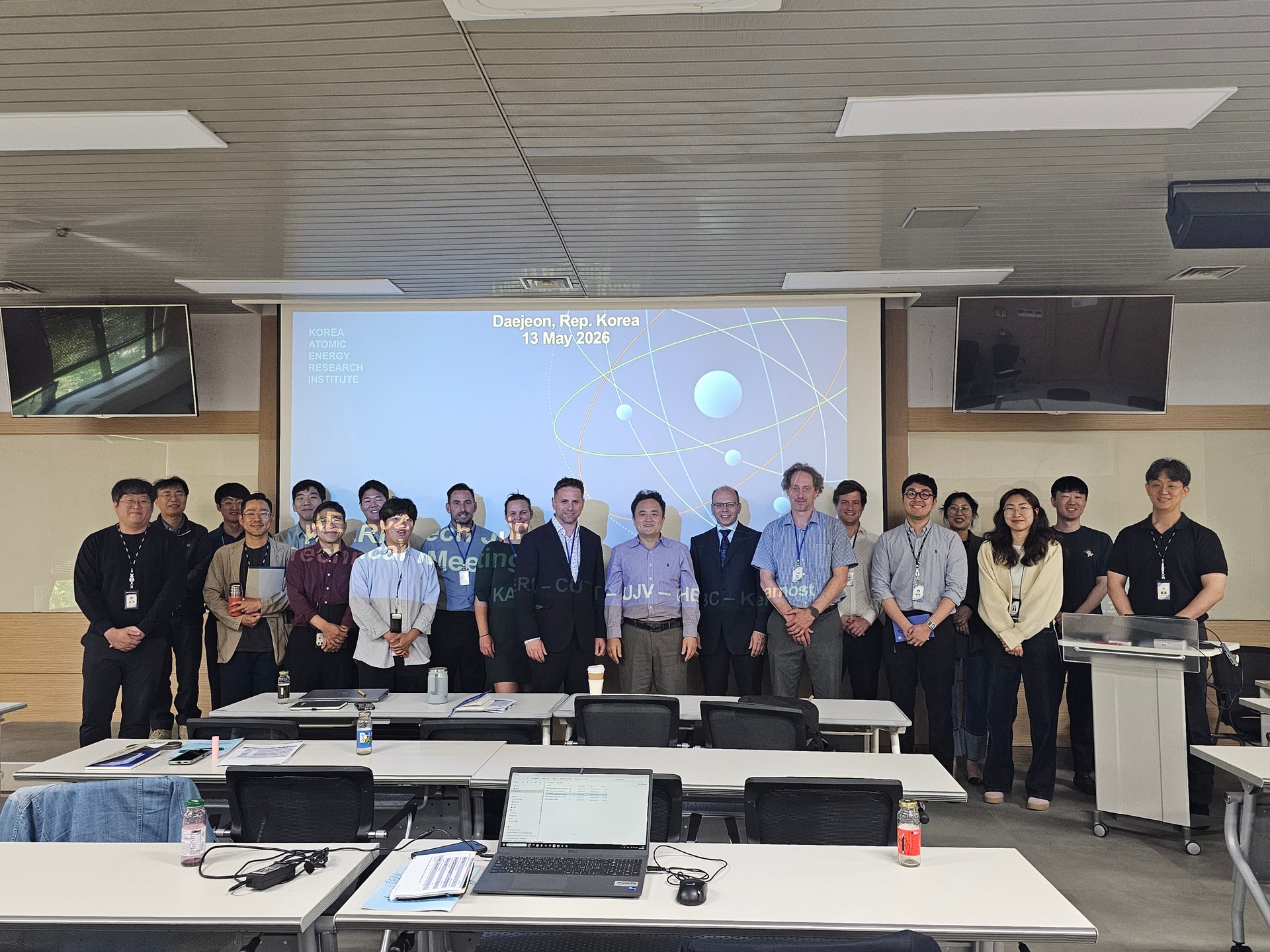
We are strengthening international cooperation in the field of deep geological repositories while also building our own expertise in one of the key areas of future nuclear energy. This was further underlined by our experts’ meeting in Korea in May, which is helping to move the MATEO project forward.
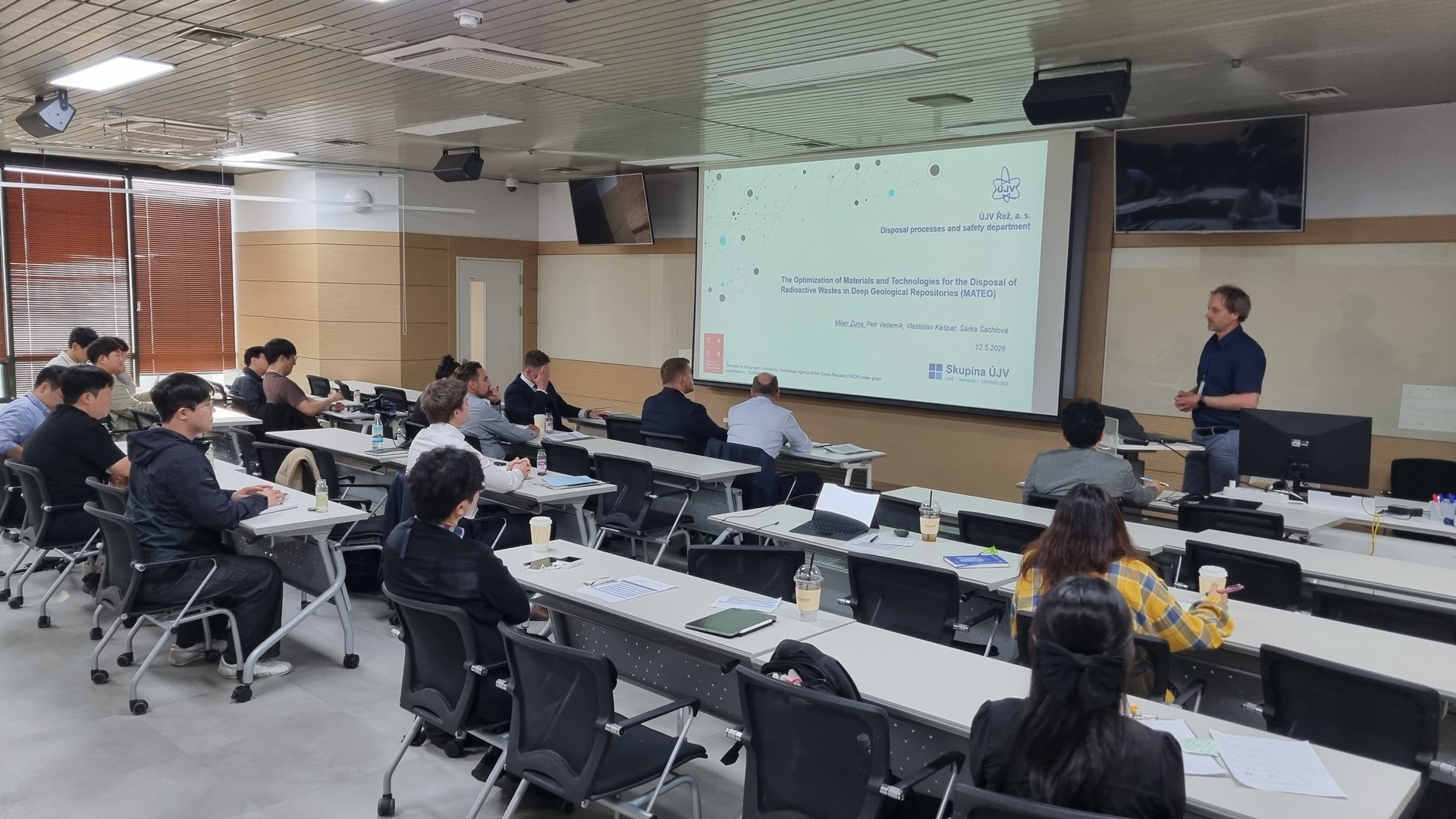
The MATEO project (“The Optimization of Materials and Technologies for the Disposal of Radioactive Wastes in Deep Geological Repositories”), led by ÚJV Řež and supported by the Technology Agency of the Czech Republic under the SIGMA programme, focuses on how radioactive waste can be disposed of in deep geological repositories more effectively and efficiently. This is a topic that will be of fundamental importance for the safe disposal of spent nuclear fuel in the years ahead. We are working on the project with the Czech Technical University in Prague (Centre of Experimental Geotechnics), as well as with partners from South Korea – the Korea Atomic Energy Research Institute (KAERI) and HBC Inc. Running from January 2025 until the end of 2027, the project brings together Czech and Korean expertise in materials, testing and full-scale experiments.
One of the project’s main research areas is granulated (or pelletised) bentonite. Bentonite is a natural clay that provides an effective seal, retains water and swells when moistened. Thanks to these properties, it has long been regarded as an important component of so-called engineered barriers in deep geological repositories. These barriers form a protective system around the disposal canister, and their role is to prevent the possible spread of radionuclides into the surrounding environment. The MATEO project is therefore examining whether granulated bentonite could offer advantages over conventional block forms. This approach could also simplify implementation and reduce costs in future applications.
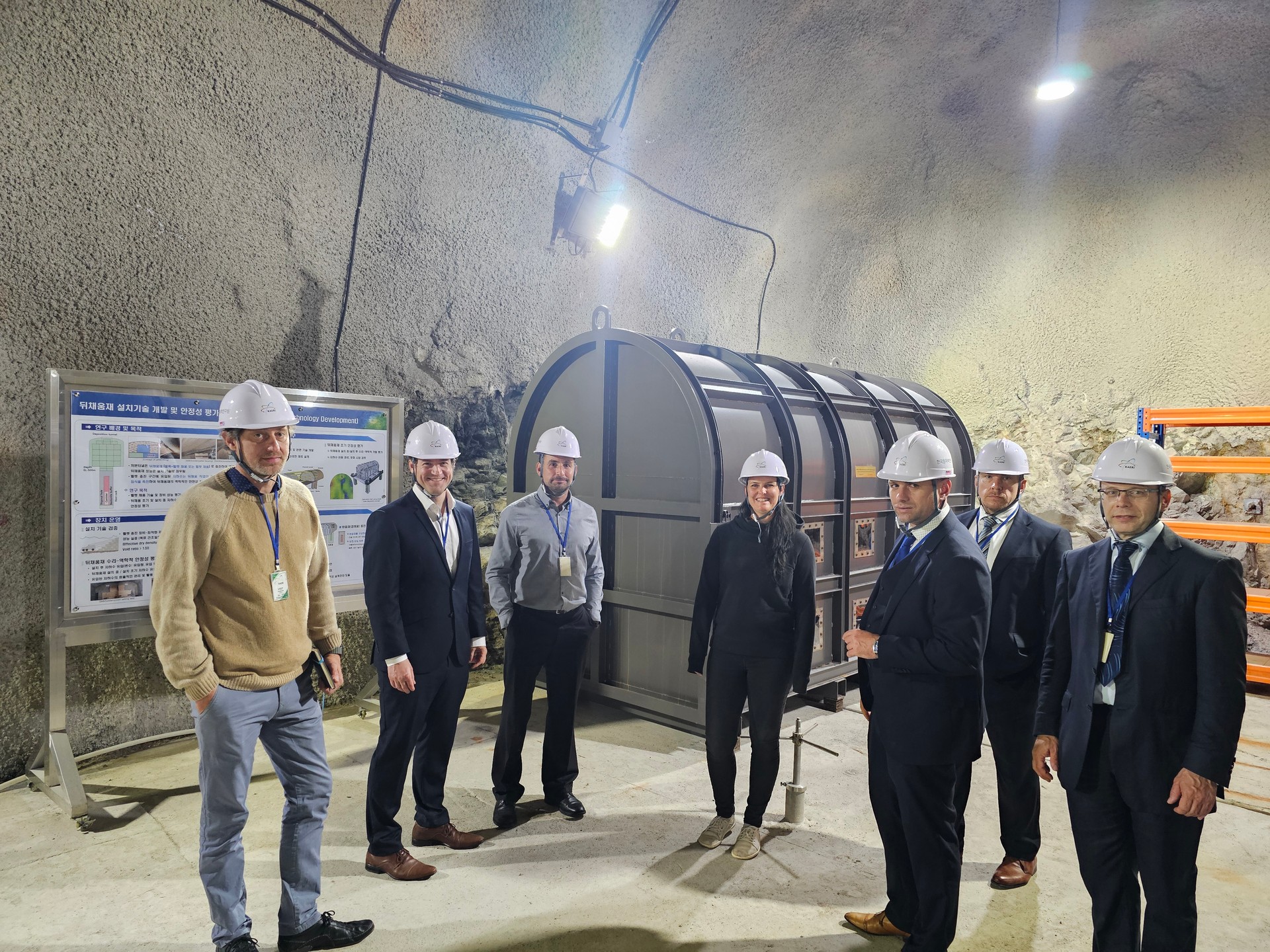
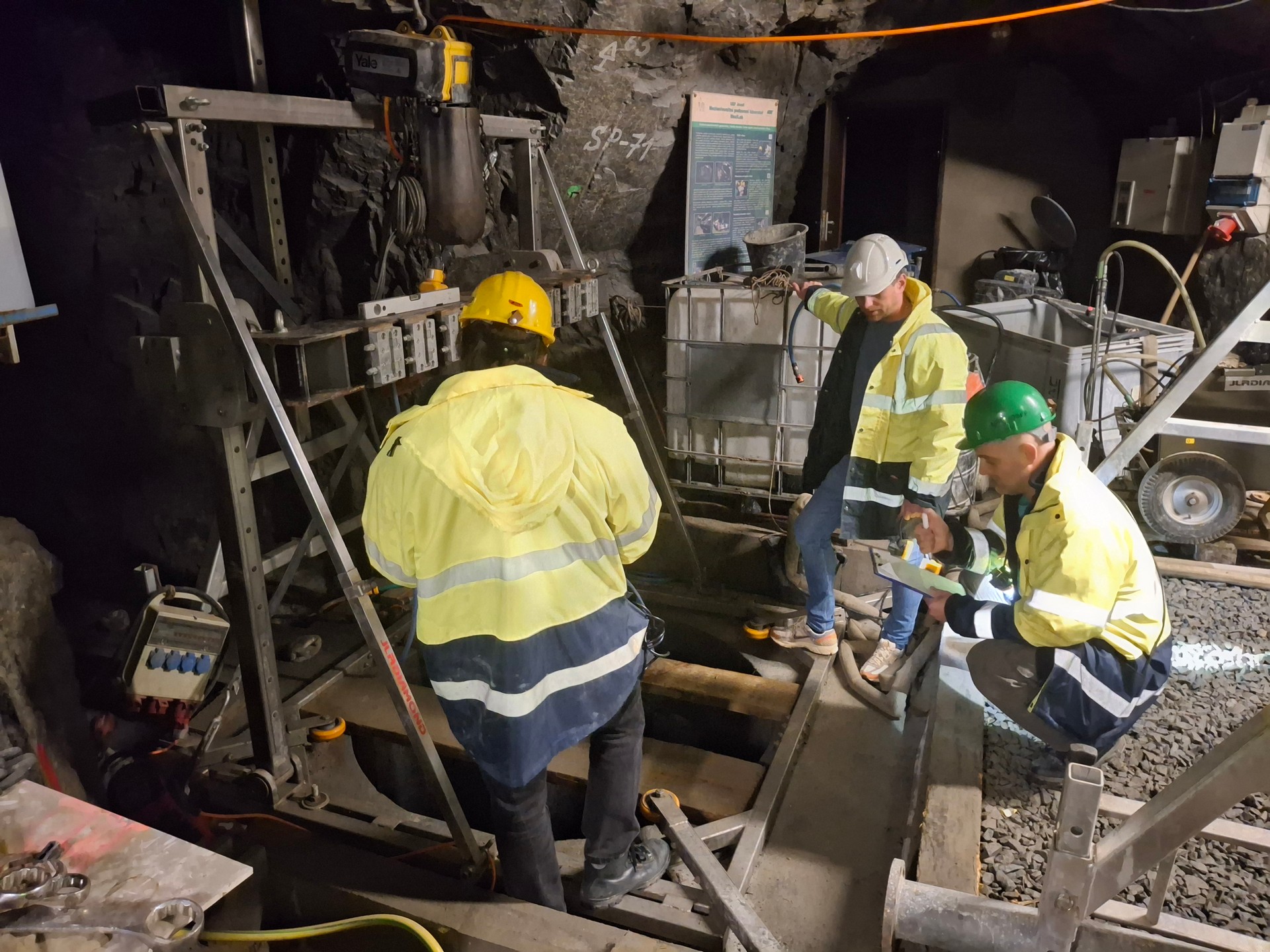
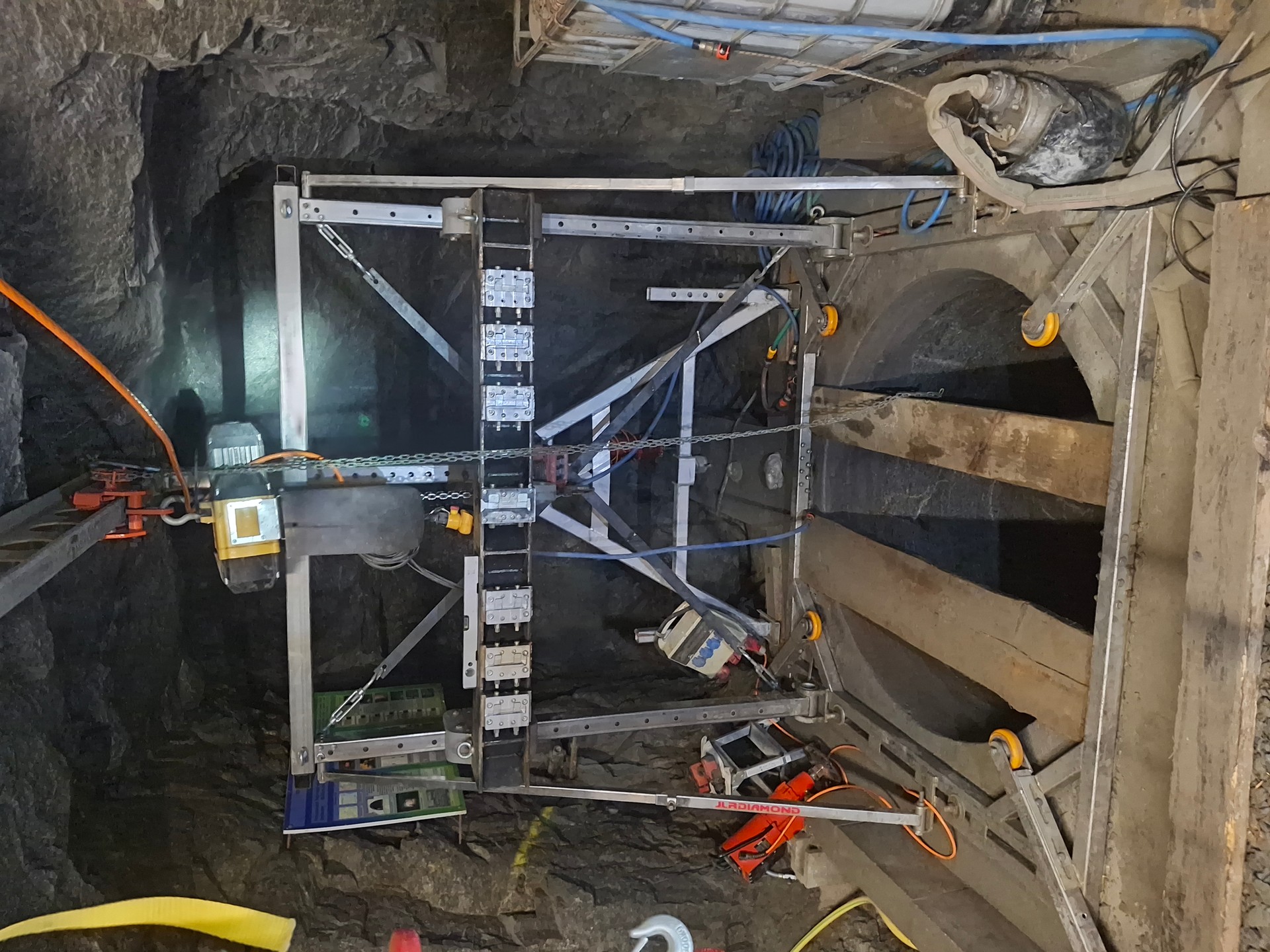
The main part of the Czech side of the project is taking place at the Josef Underground Laboratory, which serves as an experimental gallery in conditions close to those of a real deep geological repository. This is where a full-scale experimental facility with a disposal borehole (1.6 m in diameter and 5 m deep) is currently being built. A model disposal canister containing a heat source, simulating the residual heat of spent nuclear fuel, will be placed inside, and the surrounding space will be filled with bentonite. Researchers will be able to observe how the material behaves over time, how it responds to temperature, moisture and pressure, and whether it retains the required sealing and insulating properties. The research also includes laboratory tests of transport and migration processes – in other words, monitoring how gases, water or dissolved substances move through the material. This knowledge is essential for the long-term safety assessment of a repository.
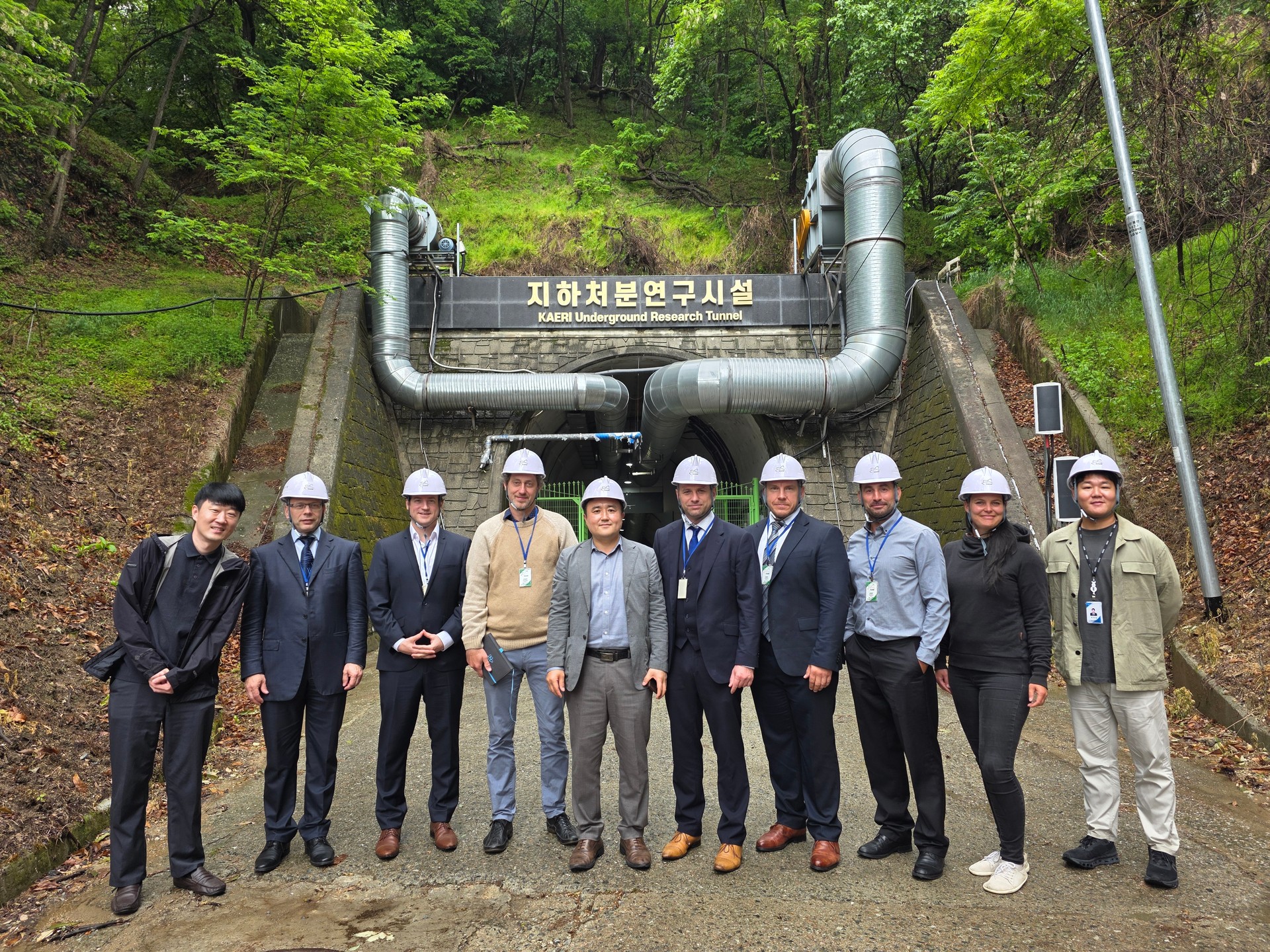
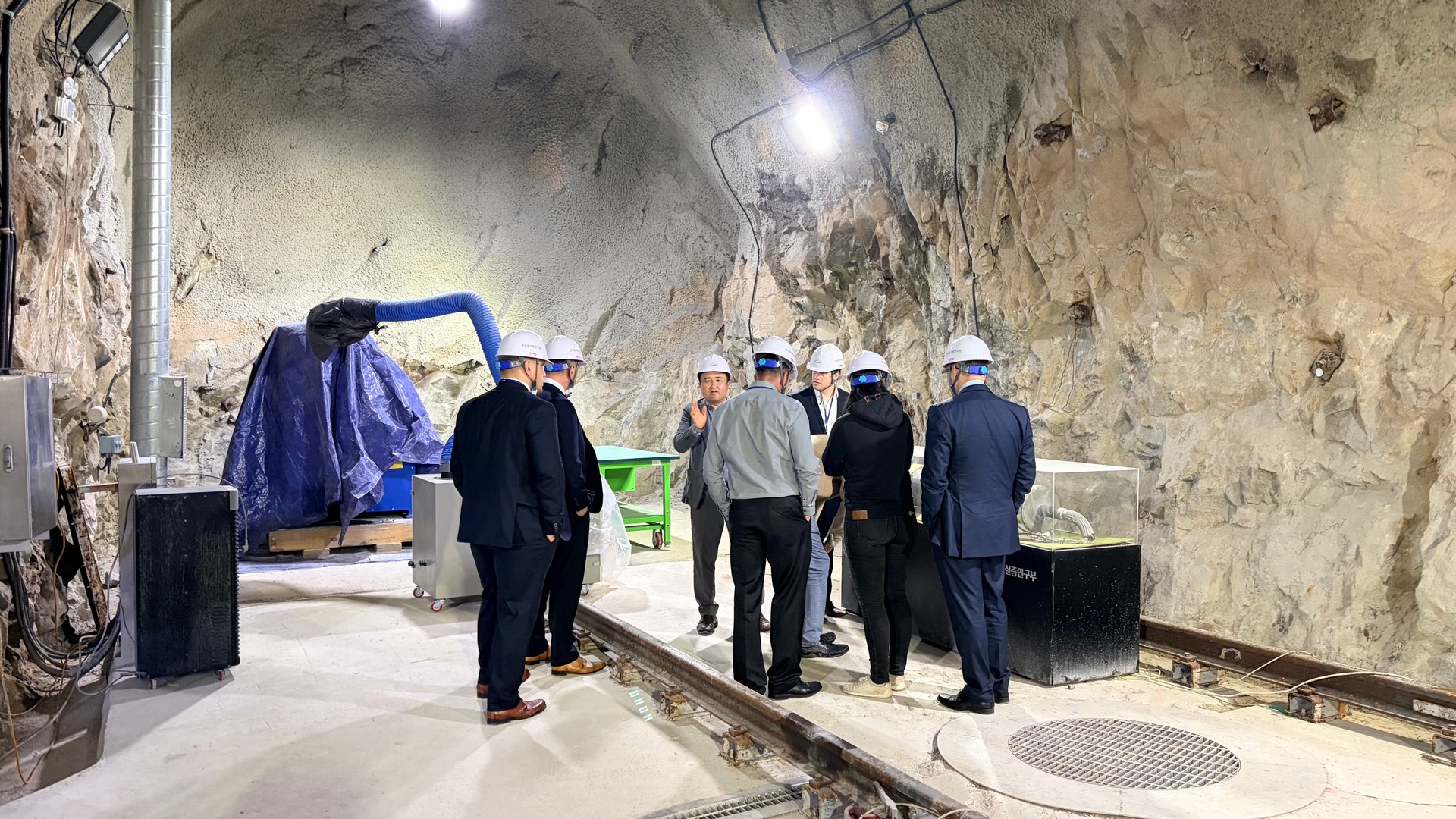
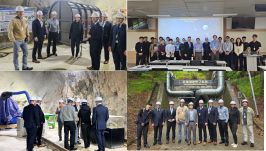
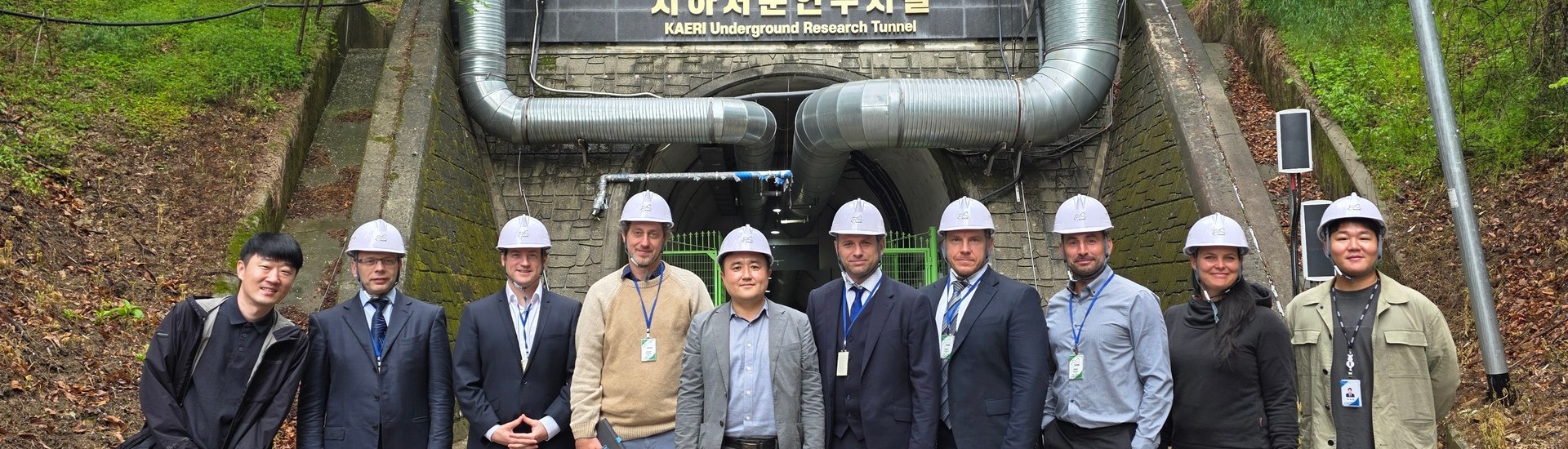
The visit to Korea in May and the meeting with colleagues from KAERI’s Disposal Processes and Safety Department (Nuclear Safety and Reliability Division) were therefore far more than a formal project discussion. They marked an important step in shaping the future direction of the collaboration and in sharing practical experience. Discussions covered topics such as gas transport, radionuclide migration, bentonite testing, erosion processes and the potential for new projects focused on the corrosion behaviour of materials. Another subject addressed was the monitoring of experiments and the use of the Digital Twin concept – a digital model that makes it possible to monitor the condition of an experiment or facility continuously and to predict its behaviour more effectively under different conditions. The programme also included a visit to the Korean underground research laboratory KURT. The Korean meeting will be followed in June by a working meeting with KAERI representatives here at ÚJV Řež. For us, our involvement in the project and the progress achieved so far provide further confirmation that we have valuable expertise to offer in this field and that our specialist capabilities compare strongly in an international context.
The project is being carried out with the support of the Technology Agency of the Czech Republic under project No. TQ16000084, entitled “The Optimization of Materials and Technologies for the Disposal of Radioactive Wastes in Deep Geological Repositories”, within the 8th public competition of the SIGMA programme – DC4: International Cooperation.