


Breadcrumbs navigation
- New HP 2026
- Products and Services
- Nuclear Energy
- Accredited Laboratories
Accredited Laboratories
Our accredited laboratories are active in the five areas of mechanical, physicochemical, electrical, radiation and radiochemical (radioactivity) material properties, as well as in accredited measurements, tests, and analyses. The laboratories are awarded accreditation certificates by the ČIA, o.p.s. (National Accreditation Body) following regular verifications of compliance with the accreditation criteria according to ISO/IEC 17025.
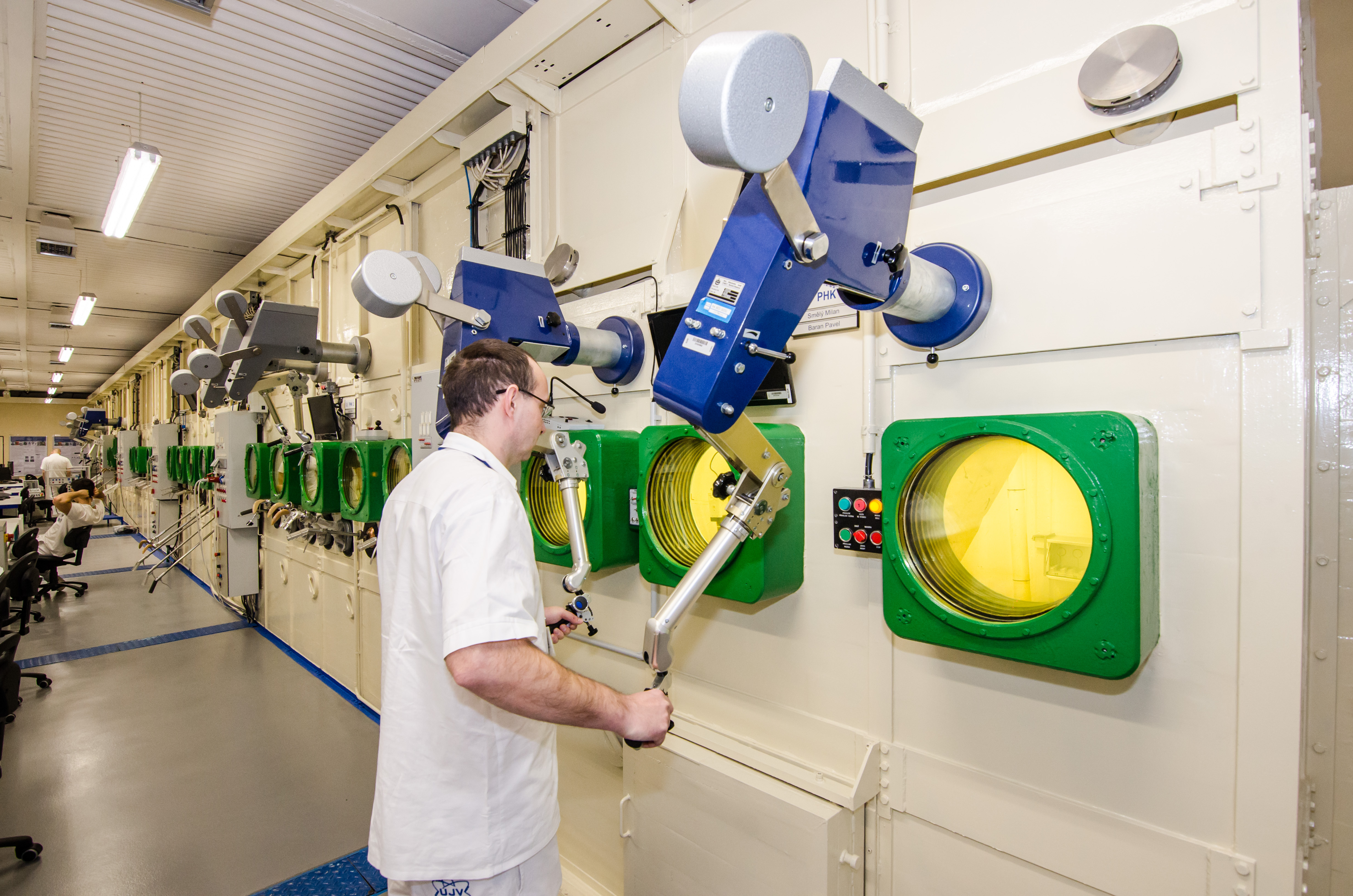
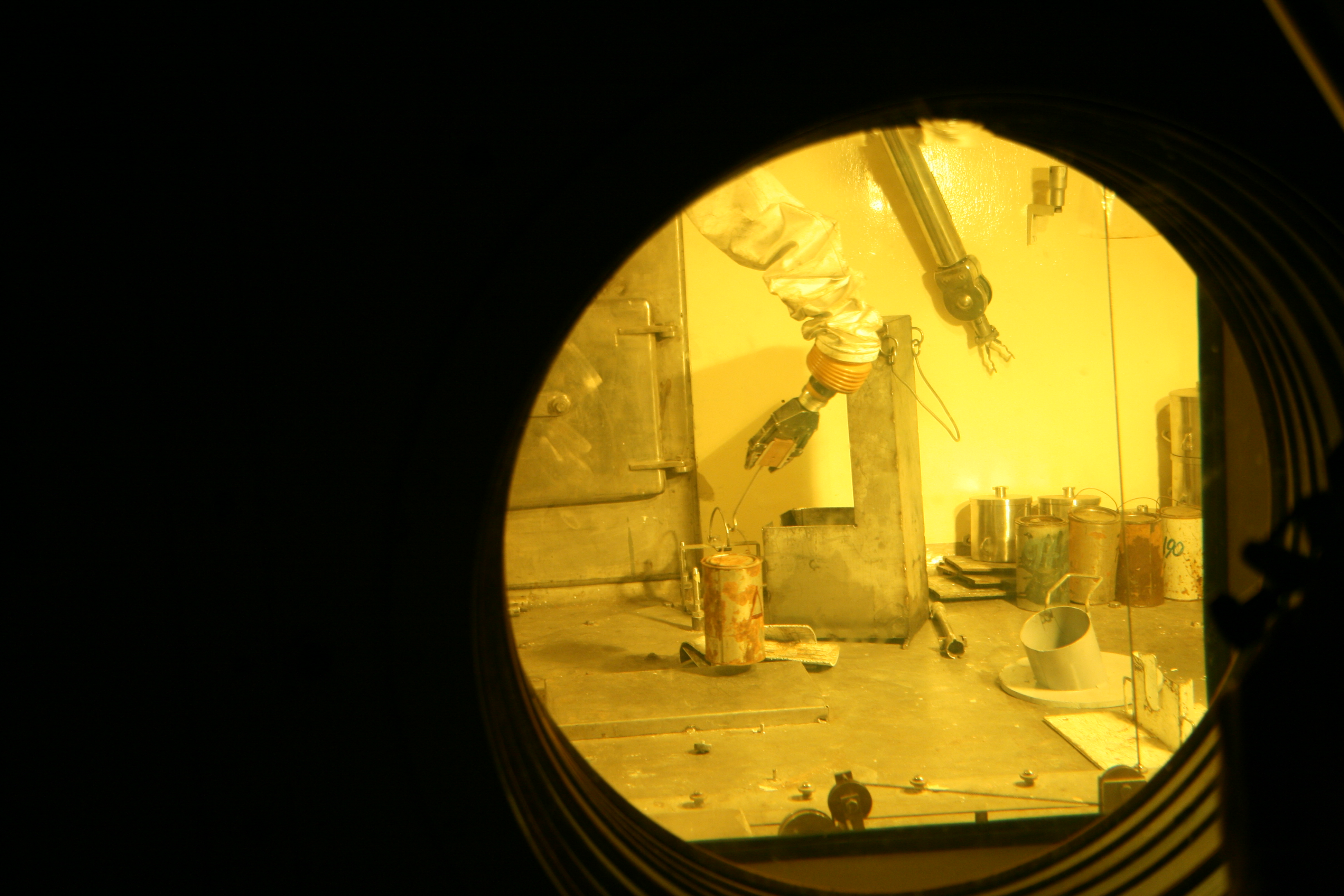
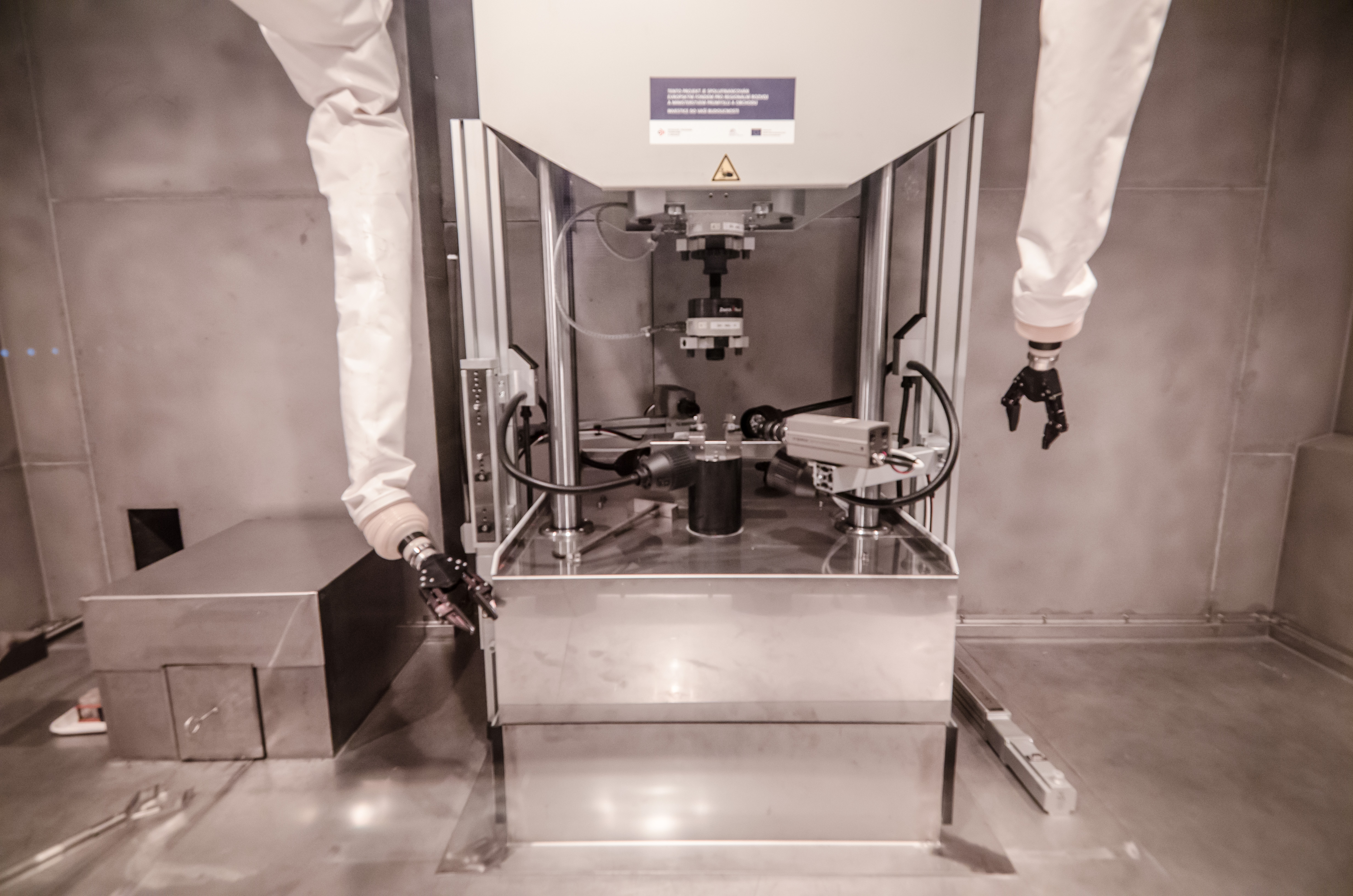
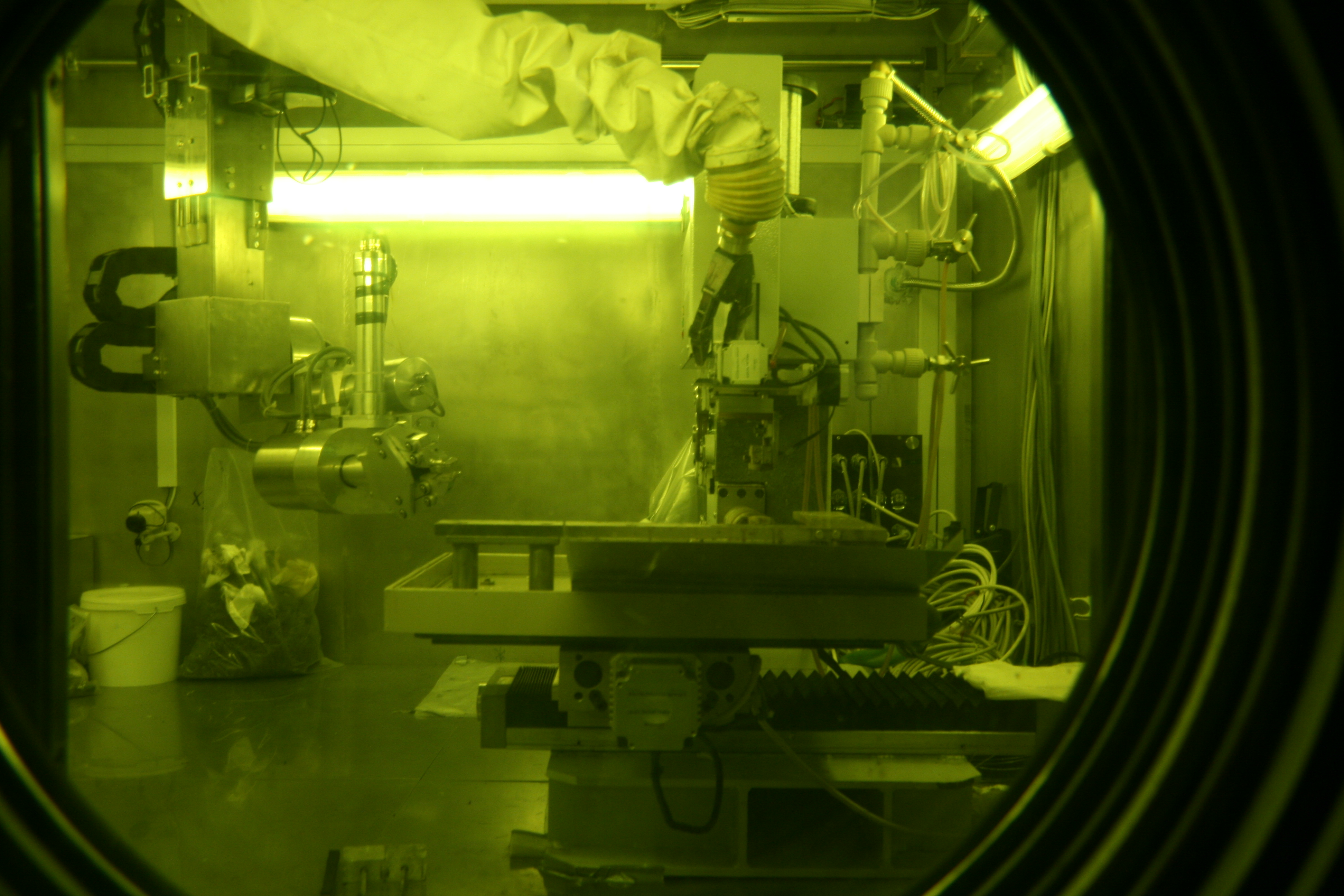
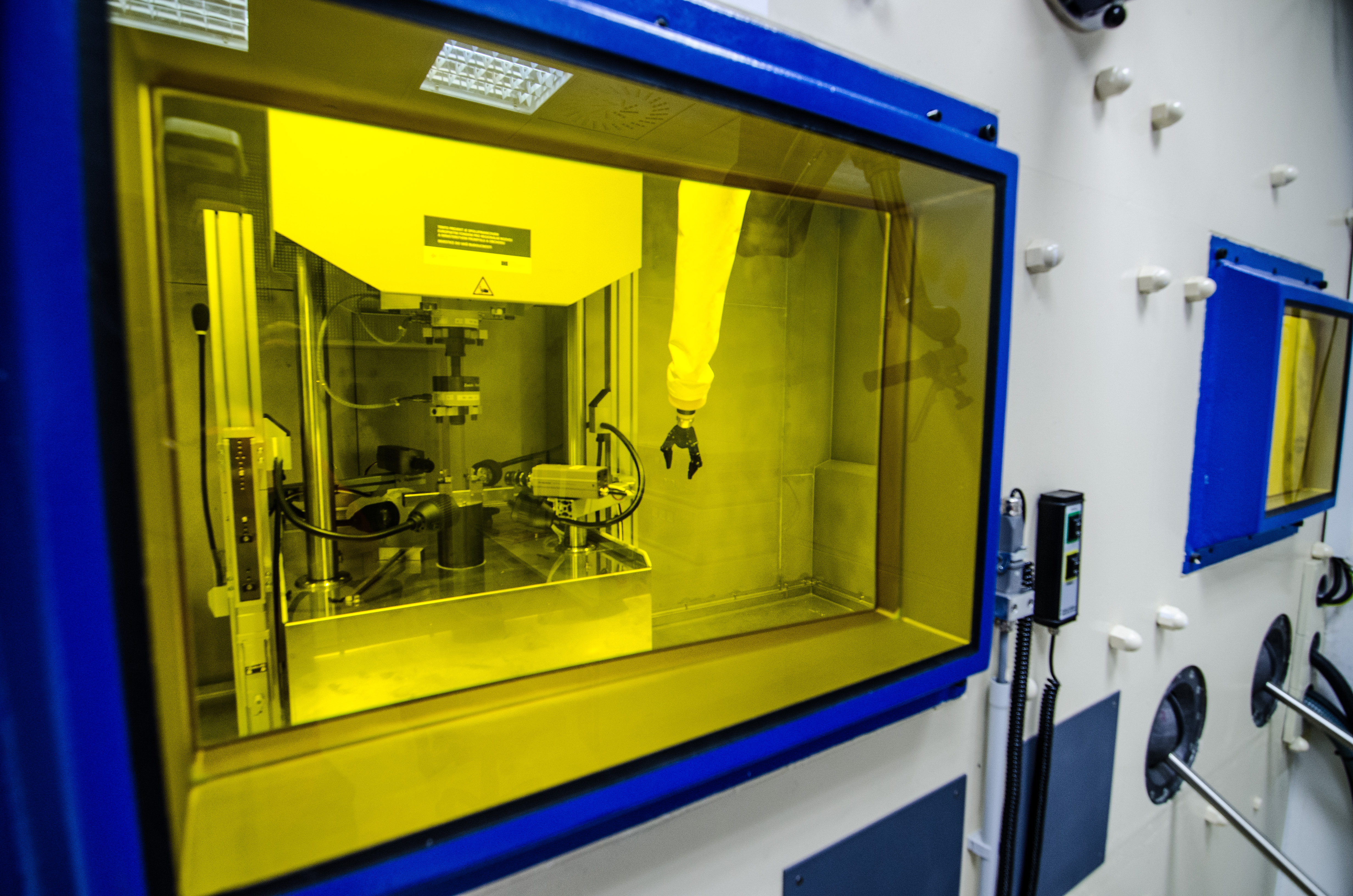
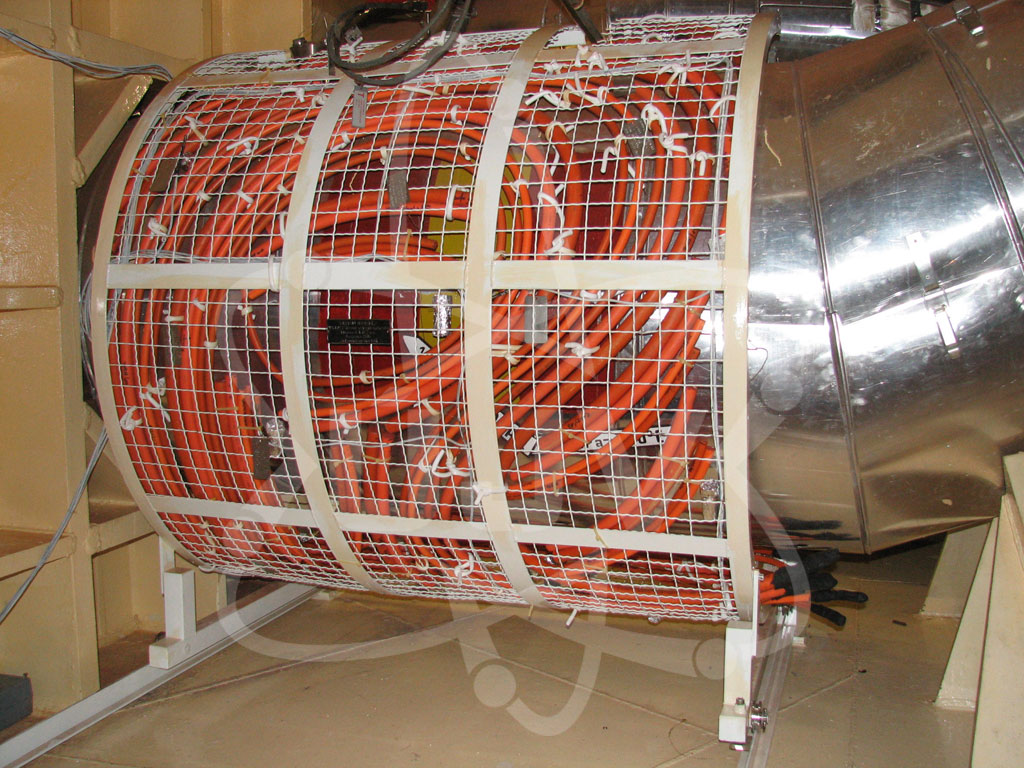
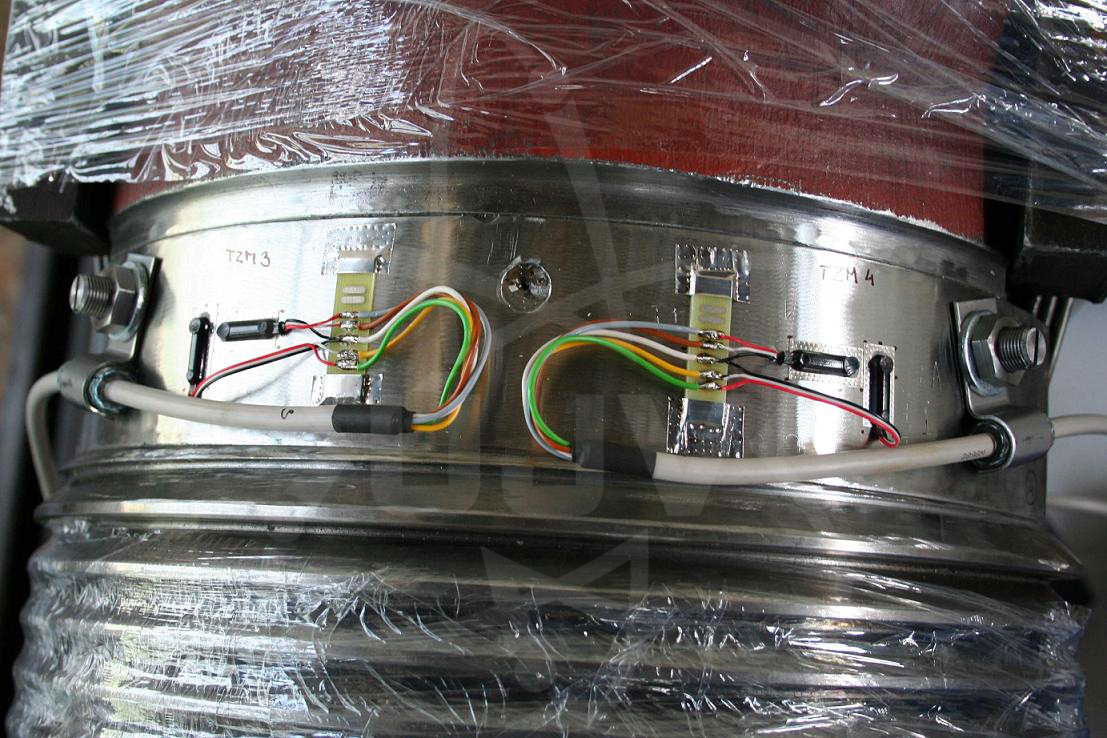
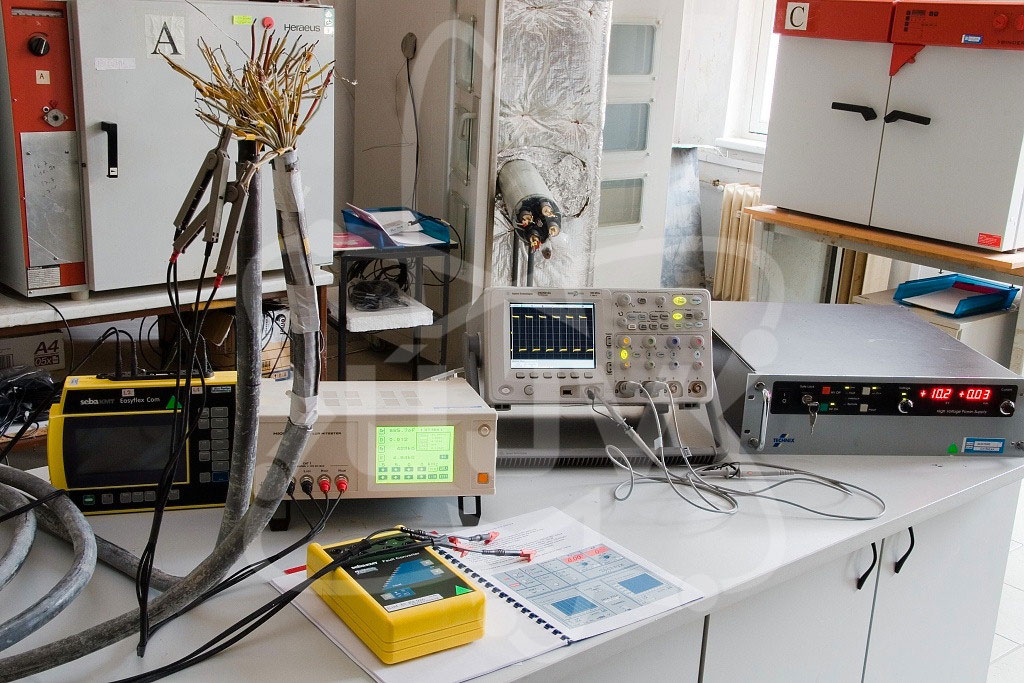
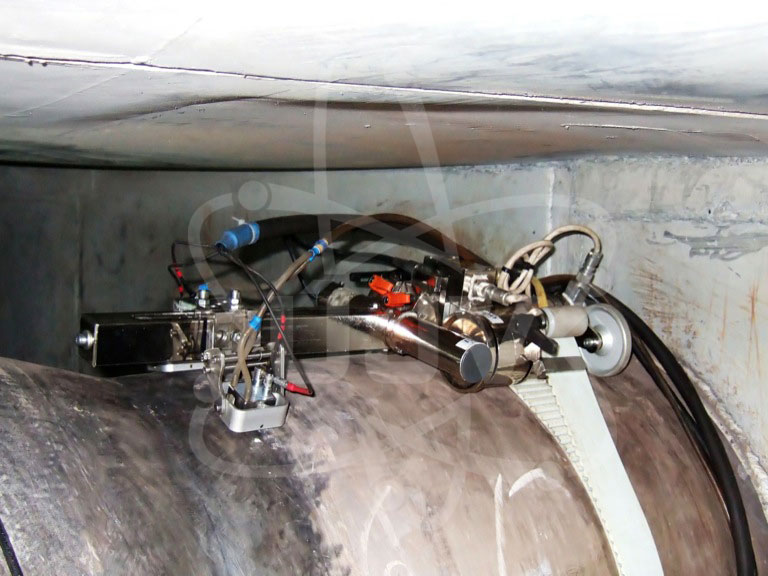
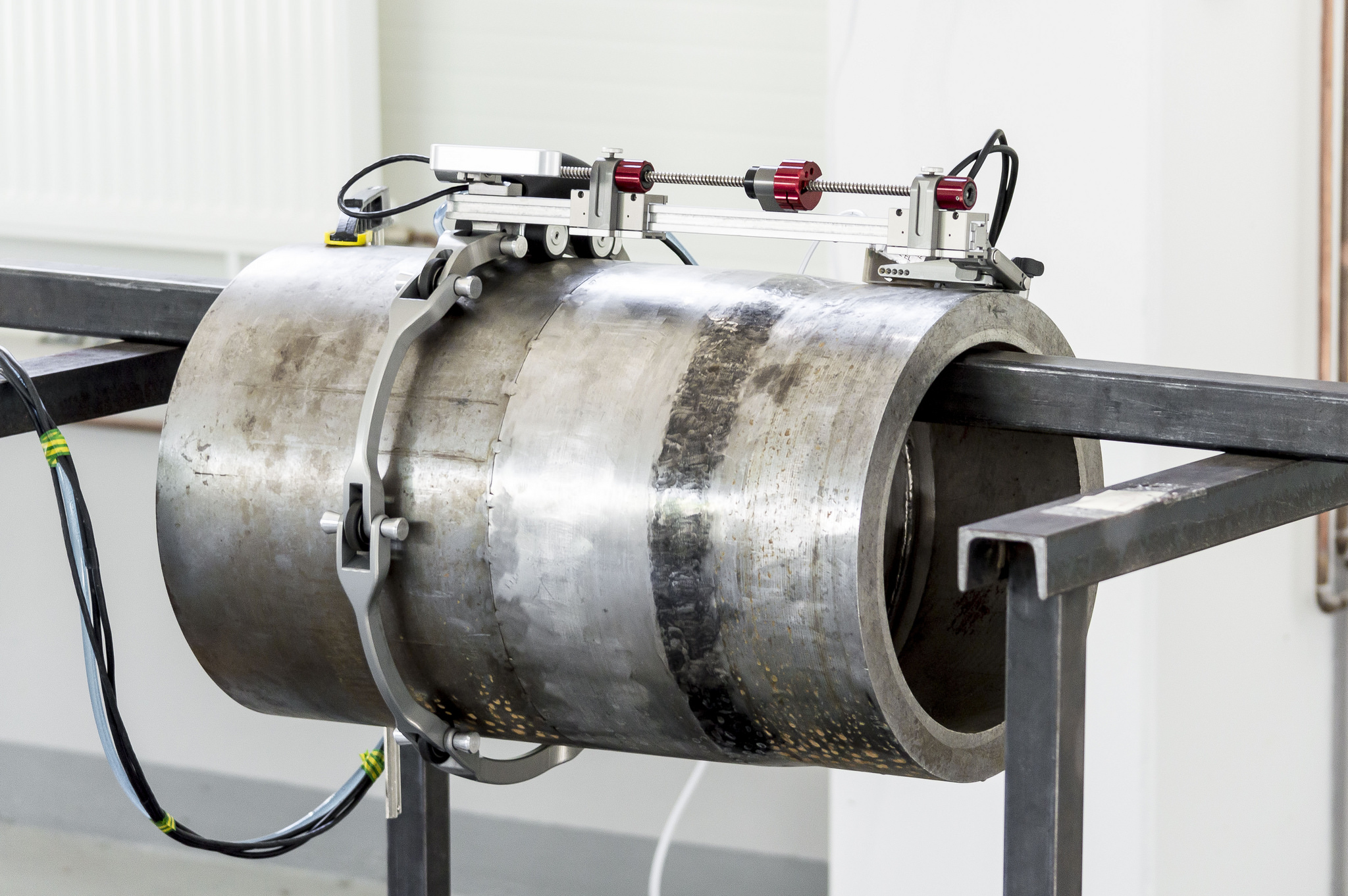
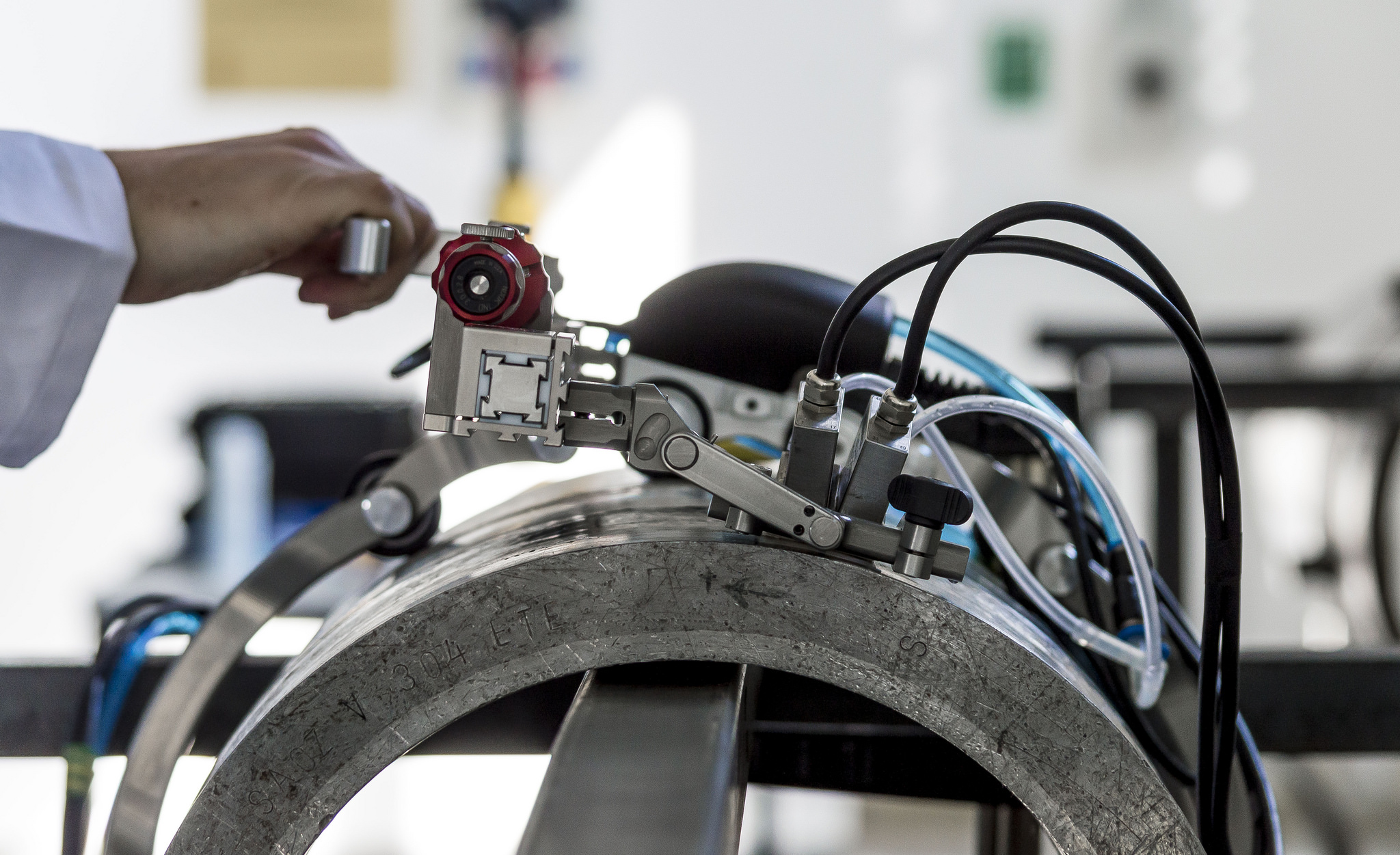
Laboratories
In the field of measurement and radiochemical analyses we provide the following services:
- Accredited determination of radionuclide content in different materials and media
- Detection and determination of the content of nuclear materials
- Characterization of radioactive waste
- Determining the biomass content (share) of fuels
- Radiation monitoring of workplaces and the environment
- Determination of toxic metal content in different materials and media
- Measurement of the effectiveness of air-conditioning, aerosol and iodine filters
- Accredited chemical analyses of water
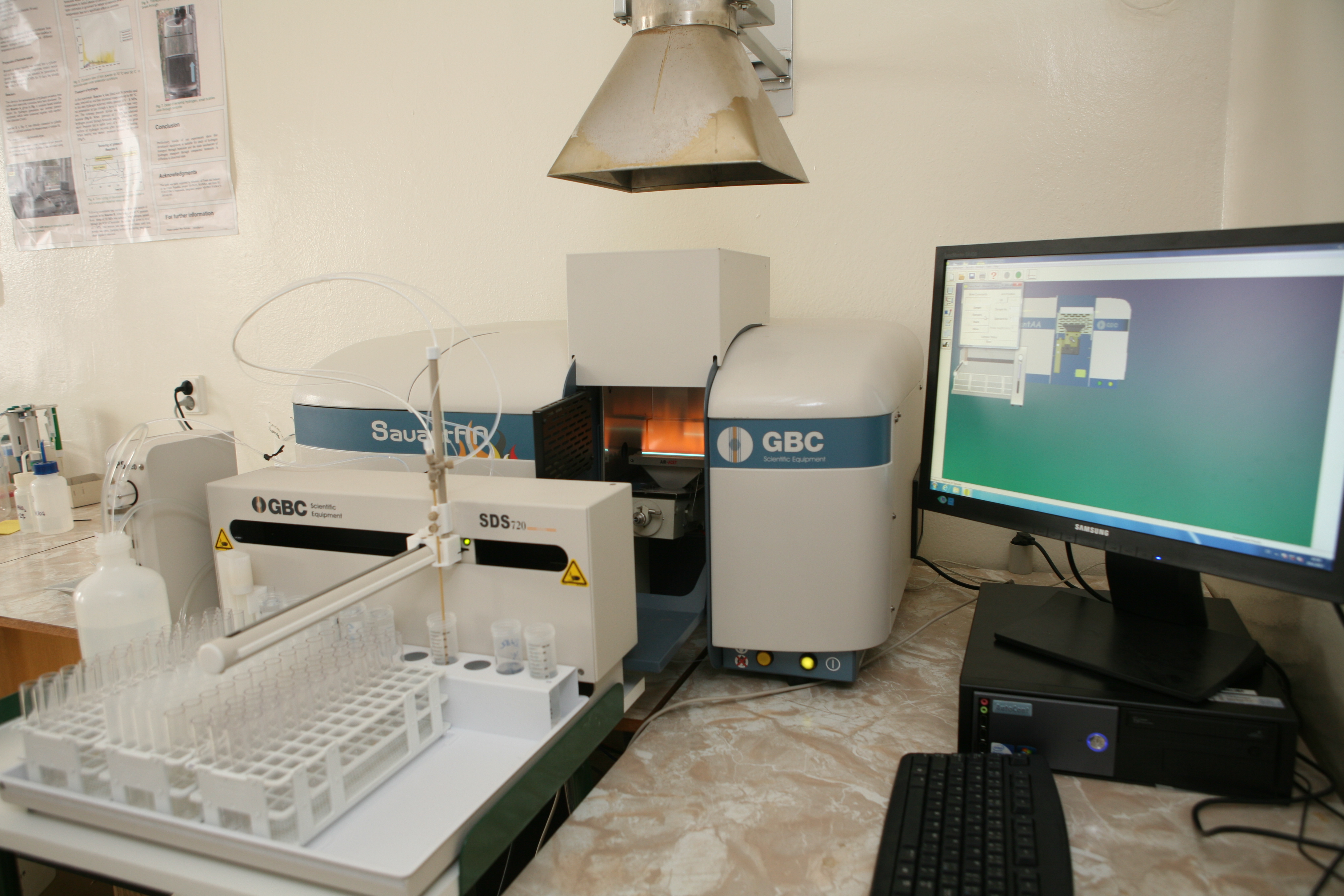
Important analyses are performed by accredited methods within the Central Analytical Laboratory - Testing Laboratory (CAL-ZL). This is the determination and monitoring of radionuclides important for the safe operation of nuclear installations; Determination and monitoring of radioactive, toxic and other isotopes relevant for environmental protection, and samples of natural materials, analysis of gas and biomass samples.
Radiocarbon analysis with ISO/IEC 17025 accreditation
The method based on radiocarbon analysis (¹⁴C) is now the standard approach for determining the biomass-derived fraction in fuels. Biomass contains a radioactive carbon isotope, known as modern carbon or biogenic carbon, which is no longer present in fossil fuels. This enables the ratio of biomass-derived to fossil-derived components to be determined accurately.
The Central Analytical Laboratory of ÚJV Řež has unique technological facilities and uses an advanced LSC system (liquid scintillation spectrometry) with an exceptionally low natural background. This enables the laboratory to detect even minimal proportions of the biogenic fraction — biogenic carbon (¹⁴C) — in all types of combustible materials with a high degree of sensitivity. This level of sensitivity is particularly important in cases where economic or regulatory decisions depend on the result.
The laboratory is accredited in accordance with ISO/IEC 17025, which guarantees not only accuracy but also the traceability of results at an international level. The resulting test report is fully accepted by regulatory authorities, certification bodies and business partners.
Development and application of new methods
In addition to its commercial activities, the laboratory is also involved in the development and application of new methods in accordance with ČSN EN ISO/IEC 17025. These include, for example, the possible introduction of methods for determining persistent organic pollutants — so-called forever chemicals — into routine analytical practice. These parameters are being developed primarily for the characterisation of radioactive waste (RAW), and their use is gradually being expanded beyond this segment.
These primarily include the following parameters:
- Hydrocarbon index (C10–C40)
- PAHs (polycyclic aromatic hydrocarbons)
- PCBs (polychlorinated biphenyls — congeners and Aroclor mixtures)
- Fluorotelomer alcohols (FTOHs), etc.
GC-FID and GC-MS/MS methods are used for these analyses.
- Vlastimil Miler
- Phone: +420 266 722 647
- E-mail: Vlastimil.Miler@ujv.cz
1093.3
-
Qualification of materials and equipment for operation in nuclear power plant environments (IEC/IEEE 60780-323)
-
Cobalt irradiators
-
long-term monitoring of the nuclear power plant environment (radiation, temperature, humidity
-
verification of the performance of materials, products and equipment for operation under normal and accident conditions in nuclear power plants
(determination of electrical, mechanical, thermal, radiation and chemical resistance properties)
1093.2
Accreditation for tests in the field of: general corrosion, hardness, determination of chemical composition of inorganic materials, metallography
1093
- Instron universal testing machines
- Impact pendulums
- Instrumented hardness tests
- Dimensional measurements
- Microscopic analysis of broken specimens
2340
Temperature calibration in the range (-196; -30 to 1100) °C
- resistance thermometers
- glass thermometers
- J, K, S thermocouples
- tracking strings (on-site)
Pressure calibration in the range of (-1 to 700) bar:
- strain gauges
- electromechanical manometers
- tracking strings (on-site)